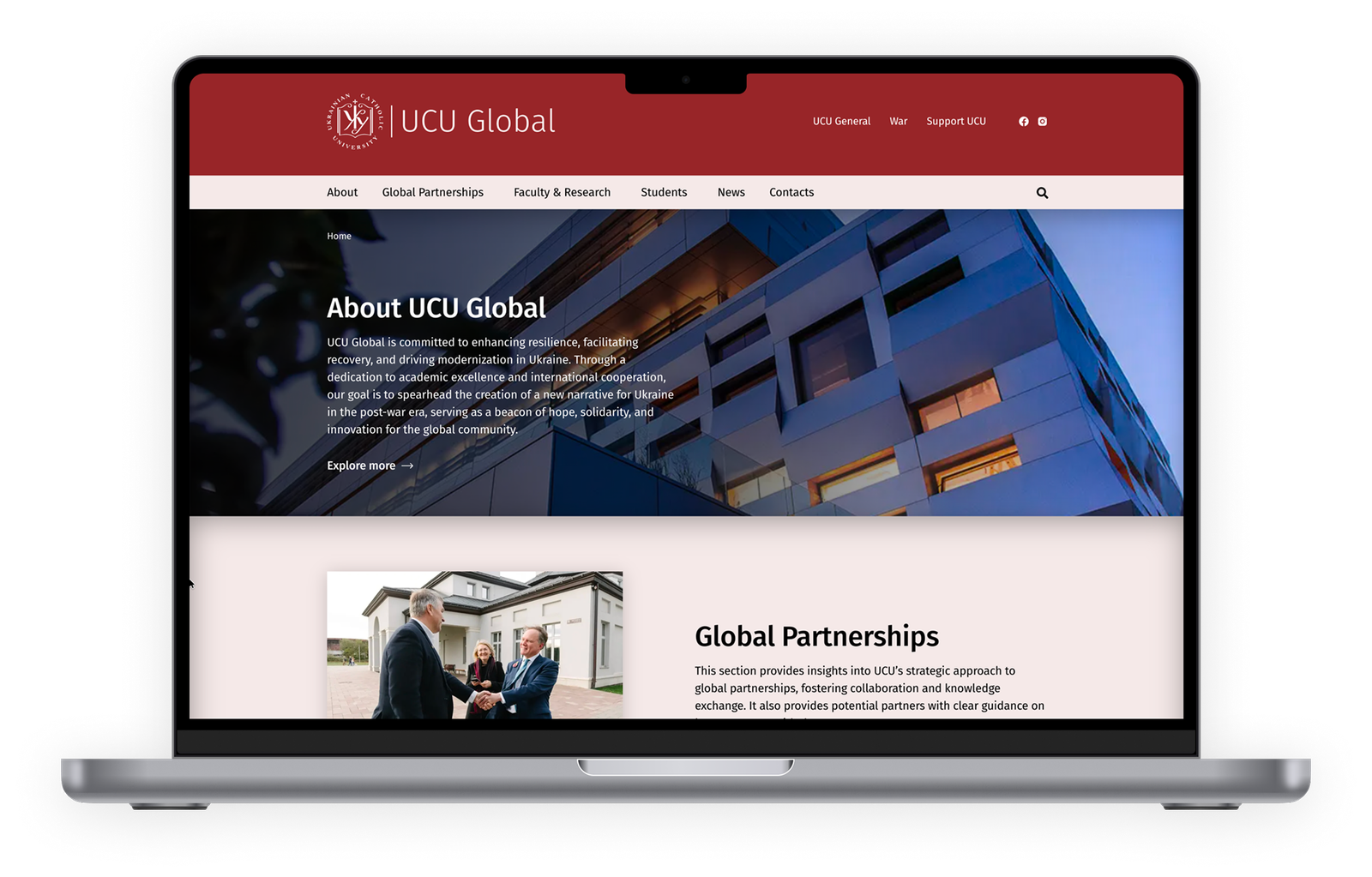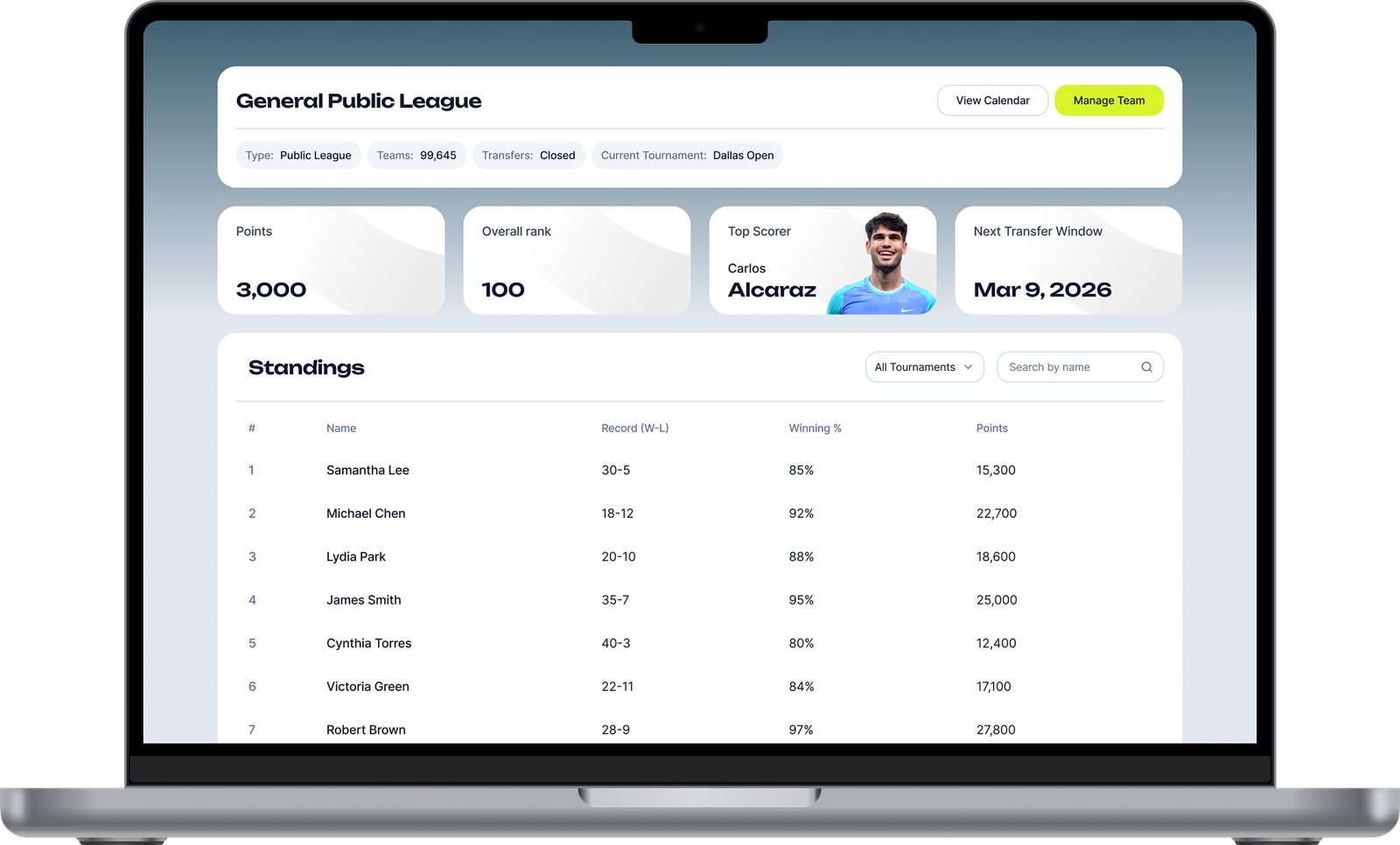
A structured development strategy involving deep business analysis, proof of concept, interactive design, and realistic cost projections.
A user-focused development process that aligns business objectives with customer needs through creative design thinking.
Get a rough estimate of product development costs and the timeline for implementing your idea, as well as primary recommendations. Narrow scope, single user flow, no integrations.
You will get:
- High-level solution architecture
- High-level tech stack blueprint/model
- Ballpark Estimate
- UI/UX Research & Analysis UX/UI
- Primary user flow | Interactive clickable wireframe prototype
– Ballpark UX/UI cost estimate
- Roadmap & Resource Plan
- Business logic card
- User stories | Essential product features
- Risk analysis (functional)
Enjoy a highly detailed discovery service with all the necessary results that can be put into practice immediately.
You will get:
- Comprehensive solution design and recommended system integrations
- In-depth technology stack and infrastructure planning
- Detailed Estimate
- UI/UX Research & Analysis
- Main flow | Wireframes & Clickable UI Prototype
- Detailed UX/UI estimate
- Roadmap & Resource Plan
- Application user journey map
- User stories | Essential product features & side logic
- Risk analysis (functional & non-functional)
If none of the existing packages suit you, we will tailor the right discovery service to your needs.
Your discovery engagement begins with targeted sessions between your founding team and a Pixel Prowl business analyst. The goal is to define the core problem your product solves, figure out who it affects, and understand what success looks like for your business. AI research tools accelerate competitive and market analysis at this stage, allowing your team to enter ideation with a landscape view that would normally take weeks to assemble manually.
This is where assumptions are tested. Pixel Prowl uses AI prototyping tools to generate clickable concepts that allow something tangible to be presented to users or investors early on. Your team validates the core value proposition through rapid feedback loops, and ideas that stall are picked up.
A solutions architect reviews your concept against real-world technical constraints like infrastructure, APIs, scale, and security. We analyze complexity early to provide stack suggestions tailored for initial launch and long-term scaling.
The final step is to create the documentation your team needs to move into development with confidence. Pixel Prowl provides a prioritized feature set, a detailed software requirements specification, wireframes (in Full and Custom tiers), a budget and time estimate, and a clear roadmap that separates your MVP from features in later stages. Each delivery is structured so that your development team or a third-party agency can pick it up and begin development without rediscovery.
An independent consultant can run strategy sessions and draft specs, often at lower rates than a full agency team.
The trade-off the technical depth is limited Because a single person rarely covers the areas of business analysis, architecture and UX research at the level a startup needs.
Freelancers are best suited to narrow, well-defined projects where the scope is already clear.
An development and product partner such as Pixel Prowl brings together a cross-functional team (business analyst, solution architect, designer and project manager) in one assignment.
The combined expertise means that your discovery results are technically feasible, design-oriented and aligned with development reality from day one.
This model is particularly suitable for startups and SMBs that need structured discovery without the hassle of building a team or managing multiple freelancers.
Developing product discovery processes internally can be beneficial if your company plans to conduct continuous product research over months or years.
For most early-stage new ventures, hiring a full product team before validating the idea is expensive and premature.
The burden of recruiting, hiring, and managing specialists often delays the very validation that is supposed to accelerate discovery.


The discovery phase is the first phase of a software project where your team defines the problem, researches users, maps requirements, and validates the concept before writing code. This usually includes founder interviews, user research, competition analyzes and technical feasibility tests. The goal is to reduce uncertainty so that your team builds the right product from day one and the result is a set of actionable deliverables such as user stories, architecture diagrams, wireframes and a prioritized roadmap.
A reliable discovery phase spans problem framing, research, validation, feasibility check, and roadmapping. Each step informs the next to bridge research and build. Pixel Prowl uses AI tools to compress this timeline from months into weeks.
Typical discovery phase deliverables include a software requirements specification, user personas, user stories with acceptance criteria, a product mind map, wireframes or a clickable prototype, a technical architecture overview, a risk register, and a development roadmap with budget estimates. The exact set depends on which discovery tier you choose: Light focuses on requirements and architecture, while Full adds wireframes, prototypes, and competitor analysis.
Skipping discovery is the most common reason software products go over budget or fail to resonate with users. A proper discovery phase aligns your founding team with goals, uncovers hidden risks early, and validates assumptions against real user data. Every hour invested in defining requirements during discovery significantly saves downstream development time because your development team is building on evidence, not guesswork.
Most product discovery engagements last two to nine weeks, depending on the complexity of your product and the depth of analysis you require. A focused discovery light for a well-understood domain takes five weeks, while a full discovery with wireframes and prototyping typically takes nine weeks. Rapid AI prototyping can create a clickable demo in two to five days for founders who need quick validation before committing to a longer commitment.
You have a vision